Shop All
  Super Deals
  New
New 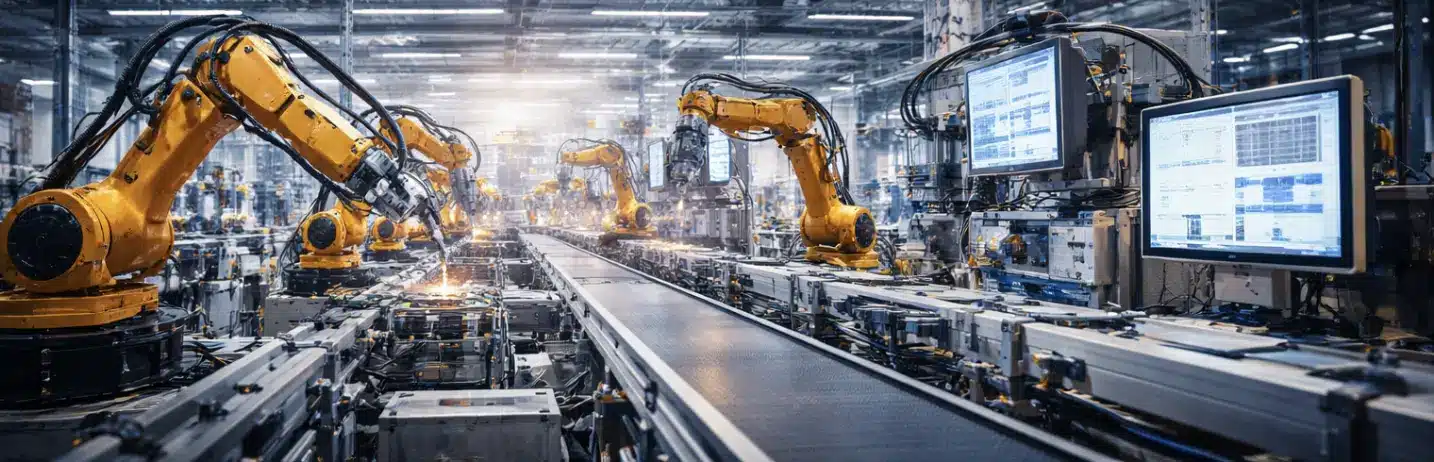
How to Integrate Industrial Automation into Existing Production Lines?
Modern industries are under pressure to produce faster, reduce errors, and lower costs. Industrial automation helps achieve these goals by using machines, control systems, and smart technology to handle both repetitive and complex tasks. For factories with existing production lines, automation is not about starting from zero—it’s about carefully adding new systems that enhance performance without disrupting daily operations.
At the Factory.Sale, we specialize in helping manufacturers adopt automation smoothly with reliable equipment, tailored solutions, and expert guidance.
Why Upgrade to Industrial Automation?
Upgrading production lines with automation delivers significant advantages. Businesses gain higher output, improved quality, and lower costs. Automation also reduces risks by shifting dangerous tasks from people to machines. Another major benefit is energy efficiency, as modern systems use less power while producing more. By collecting and analyzing real-time data, companies can make smarter decisions and adapt quickly to market demands.
Assessing Your Current Production Line
Before bringing in automation, it is important to understand how your current system works. Identifying bottlenecks, repetitive tasks, and high-labor areas highlights where automation can make the most impact. For example, a stage that often delays orders or requires heavy manual labor is a strong candidate for automation equipment. This ensures that investments generate the highest returns.
Defining Your Automation Goals
Every business has unique needs, so defining goals is essential. Some companies want to increase output, while others focus on reducing waste or achieving better quality control. In many industries, energy efficiency is also a priority. Setting clear goals helps guide the choice of tools, whether it is robotic arms for assembly, conveyors for material handling, or sensors for inspections.
Choosing the Right Automation Technology
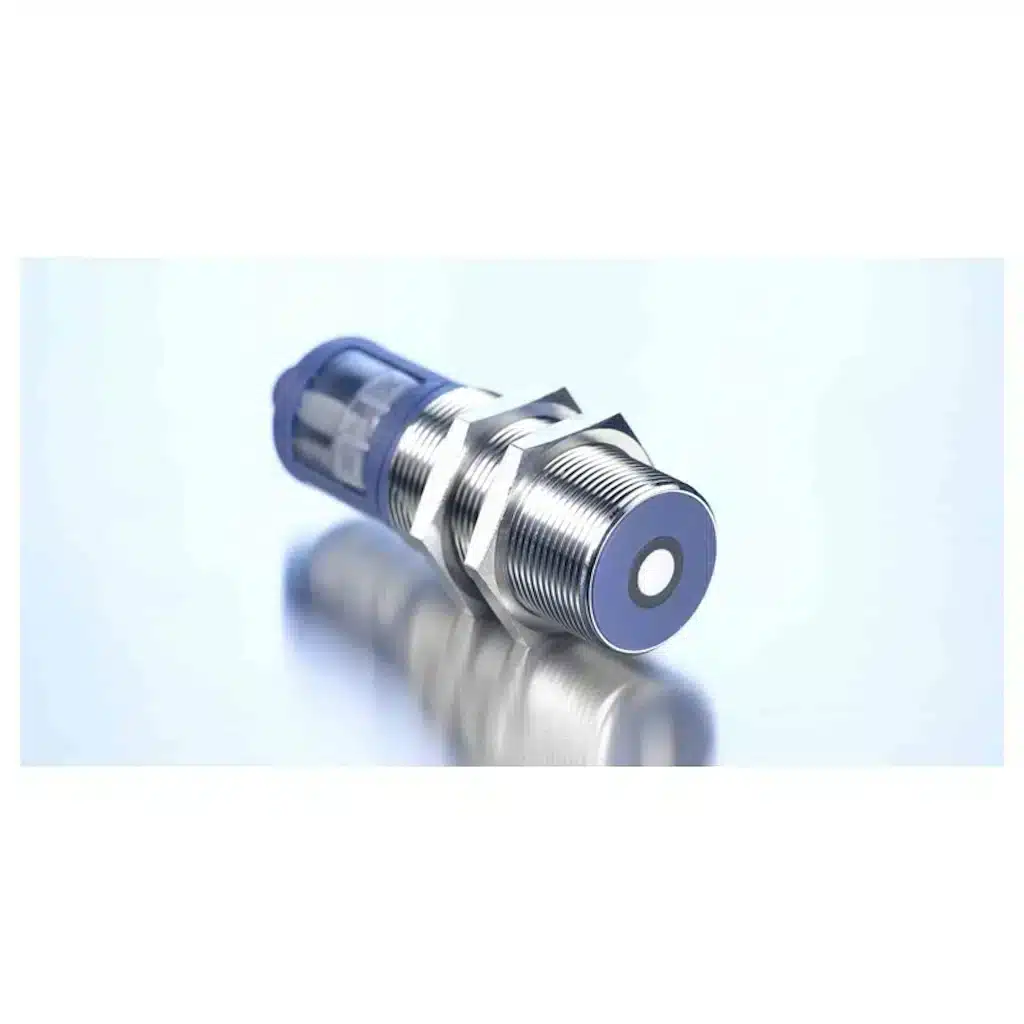
Not all automation solutions are suitable for every production line. The choice depends on processes, products, and goals. Robotic arms can improve welding, packaging, or assembly tasks. Sensors and vision systems strengthen quality control, while programmable logic controllers (PLCs) provide reliable process management. Automated conveyors improve material flow, and AI-powered systems enable predictive maintenance. At the Factory.Sale, businesses can find automation equipment that integrates seamlessly into existing production systems.
Planning for Smooth Integration
Automation works best when integration is planned carefully. Instead of replacing the entire system at once, companies should adopt automation in phases. This approach allows new machines to run alongside existing systems without major downtime. Training employees is equally important so they can operate and maintain new equipment with confidence. Partnering with trusted experts ensures the transition remains safe, efficient, and compliant with industry standards.
Overcoming Challenges in Automation Integration
Integrating industrial automation into an existing production line often comes with challenges such as system compatibility, workforce training, and downtime risks. Businesses can overcome these hurdles by conducting a detailed process analysis, choosing flexible automation equipment, and planning gradual upgrades. With proper maintenance and monitoring, automation delivers long-term efficiency without disrupting operations.
Maintenance and Long-Term Optimization
Installing automation is only the beginning. To keep the system efficient, regular maintenance is essential. Preventive checks, quick replacement of worn parts, and continuous monitoring ensure stable production. Businesses that invest in long-term optimization also benefit from software updates, new features, and employee training. This ongoing care helps protect investments and guarantees consistent performance.

Benefits of Integrating Automation
The biggest advantage of integrating automation into existing production lines is flexibility. Instead of building a new system, companies can upgrade only where it matters most. This reduces costs while boosting efficiency. With automation, production becomes faster, more consistent, and better prepared to handle changing customer demands. Ultimately, businesses gain a stronger position in both local and global markets.
FAQs:
- What is industrial automation in production lines?
Industrial automation uses machines, robots, and control systems to perform tasks in production lines, reducing manual work and improving speed, quality, and efficiency. - Can automation work with small factories?
Yes, small factories can benefit from automation by starting with simple tools like conveyors or sensors. Gradual upgrades help reduce costs while improving efficiency. - How much does it cost to integrate automation?
The cost depends on the equipment, system size, and production needs. While initial investment may be high, automation often pays off with long-term savings and higher productivity. - What are the most common automation technologies?
Popular options include robotic arms, vision systems, PLCs, AI-driven predictive maintenance, and automated conveyors. - Why should I choose for automation?
We provide reliable automation equipment, expert support, and tailored solutions that integrate seamlessly into your production line.
Conclusion
Integrating industrial automation into existing production lines may seem challenging, but with the right strategy it can completely transform operations. Start by assessing your system, set clear goals, and adopt automation gradually for the best results.
Discover trusted automation solutions at Factory.Sale and take the next step toward building a smarter, safer, and more competitive production line today.