Shop All
  Super Deals
  New
New 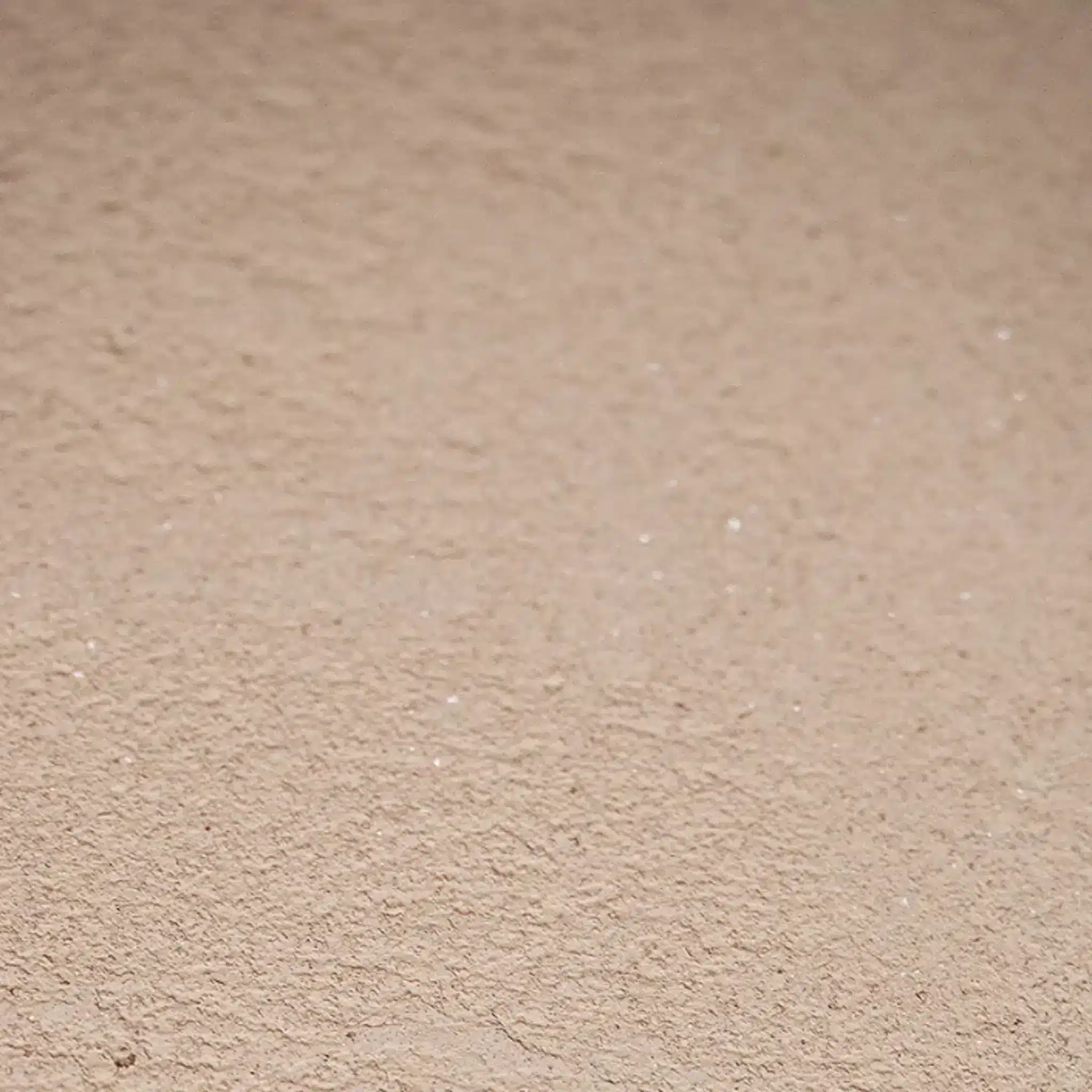
Clay as a Building Material –History, Properties, and Modern Applications
Clay has been one of humanity’s first building materials, with its use dating back thousands of years. Today, clay has regained its place in modern construction, offering natural and sustainable solutions. Its unique properties, such as moisture regulation, thermal capacity, and eco-friendliness, make clay an attractive choice for both new constructions and renovation projects.
The Historical Use of Clay
Clay has been a significant building material since ancient times. Early civilizations used clay to make bricks and plasters, constructing houses, temples, and other structures. For example, in Mesopotamia and Ancient Egypt, clay bricks were the primary building material, enabling the creation of complex and durable structures. The availability and easy processing of clay made it a universal material used worldwide.

The Chemical and Physical Composition of Clay
Clay primarily consists of aluminum silicates, which provide its plasticity and the ability to be molded into various shapes. The small size and plate-like structure of clay particles allow them to pack tightly, giving the material strength and density. Additionally, clay often contains minerals such as quartz, iron oxides, and organic matter, which influence its color and other properties.
Different Types of Clay and Their Uses
Various types of clay, such as kaolin, illite, and smectite, have specific properties that make them suitable for different applications. For instance:
Kaolin: A high-purity white clay used for porcelain and fine ceramics.
Illite and Smectite: More plastic clays suitable for construction materials like bricks and plasters.
Clay’s Moisture-Regulating Capability
Clay can absorb and release moisture, helping to regulate indoor humidity. This property prevents excess moisture and mold growth, creating a healthier indoor climate. Clay products, such as clay plaster, can absorb excess moisture from the air and release it when the air becomes too dry, ensuring a stable and comfortable living environment.
Thermal Capacity of Clay and Temperature Regulation
Clay’s high thermal capacity allows it to store heat and release it slowly, helping to maintain stable indoor temperatures. This reduces the need for artificial heating and cooling, making buildings more energy-efficient. For example, during the day, clay walls store heat from the sun and release it at night, keeping spaces warm even during cooler periods.
Clay in Modern Construction
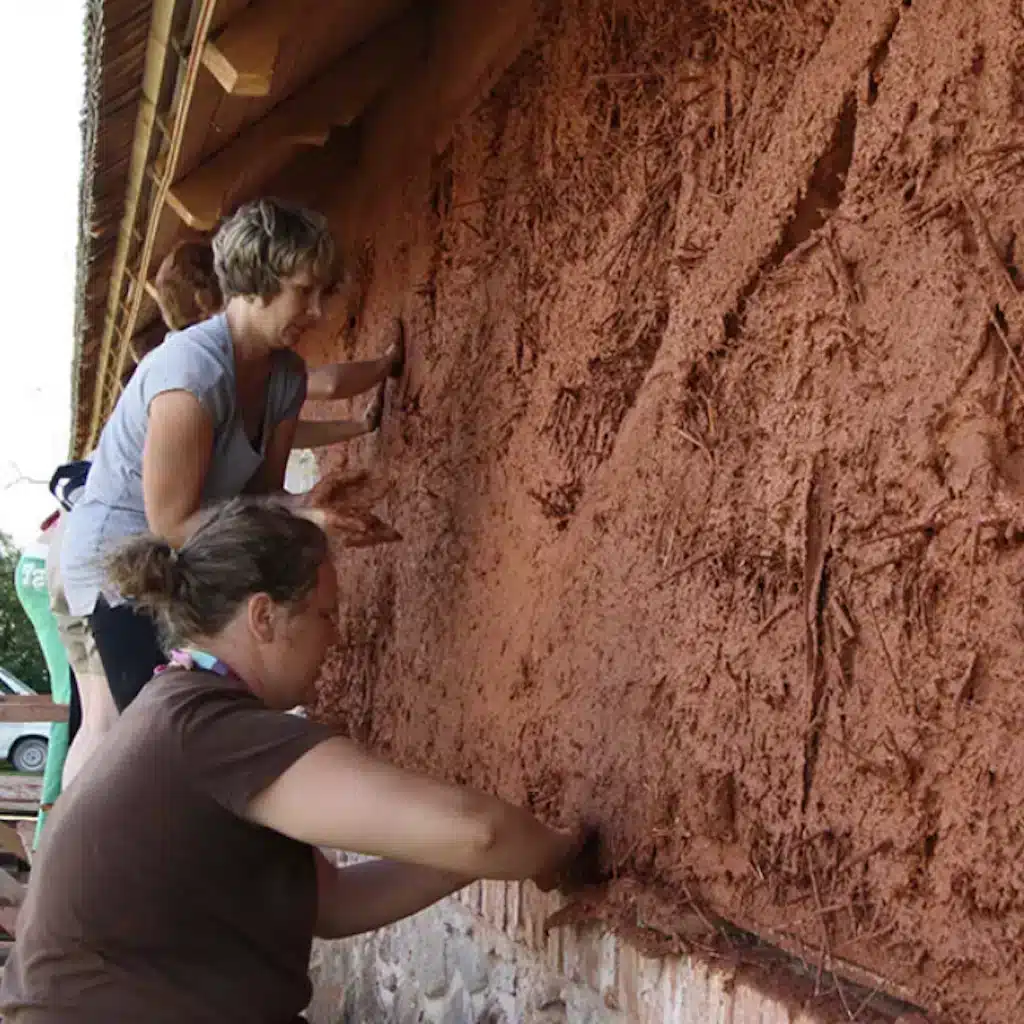
Today, clay is used in various ways, from clay plasters and paints to clay blocks and panels. Clay products are suitable for both new constructions and the restoration of old buildings, offering a natural and aesthetically pleasing finish. Clay plaster is a popular choice for wall coverings because it is breathable, regulates humidity, and creates a pleasant microclimate.
Eco-Friendliness and Sustainability of Clay
Clay is a natural and renewable material whose extraction and processing require less energy compared to many other construction materials. Moreover, clay products are biodegradable and recyclable, reducing construction waste and environmental impact. Using clay in construction supports sustainable building practices and helps lower the ecological footprint.
Impact on Health
Clay products do not contain harmful chemicals or emit toxic substances, making them a health-friendly choice. Clay’s ability to regulate humidity and absorb air pollutants helps create a healthier living environment, which is especially important for people with allergies or asthma. Additionally, clay’s antistatic properties reduce dust accumulation in indoor spaces.
Aesthetic Qualities of Clay
Clay offers a wide range of colors and textures, allowing the creation of unique and personalized interiors. Clay plasters and paints can achieve both smooth and textured finishes, adding depth and character to spaces. Natural clay paints give walls a warm and pleasant tone, creating a cozy atmosphere.
Clay and Energy Efficiency
Clay’s ability to store and release heat significantly reduces the energy consumption of buildings. When properly installed and combined with other natural materials, clay walls can enhance energy efficiency, reducing heating and cooling costs. In winter, clay keeps spaces warm, reducing the need for intensive heating, while in summer, it provides natural cooling.
Clay materials are particularly beneficial in regions with large daily temperature fluctuations. During the day, clay walls accumulate heat from the sun and release it at night when temperatures drop. This temperature regulation not only saves energy but also makes living spaces more comfortable.
Longevity of Clay Buildings
Properly designed and constructed clay buildings can last for centuries. Evidence of this comes from historical structures made of natural clay that still stand today. Their longevity, however, depends on proper maintenance and construction quality. Clay materials can be sensitive to water and extreme weather, but protective layers such as natural finishes and rain protection can prevent these issues.
Modern clay construction technology has addressed these challenges by offering improved clay mixtures that are more durable and weather-resistant. Additionally, clay’s natural “self-repair” ability allows for easy repair of minor damage without extensive renovation work.
Can Clay Products Be Used in Interior Design?
The use of clay materials is not limited to structural applications—they are becoming increasingly popular in interior design. Clay plaster and paint add warmth and coziness to spaces. Clay products also enable the creation of unique design solutions, such as textured walls or rustic finishes.
Artists and designers appreciate the versatility of clay. It can be used to create custom-colored and shaped elements that fit into any interior—whether it’s a modern, minimalist style or a more traditional rustic look. Since clay is a natural and breathable material, it not only enhances the aesthetics of spaces but also helps maintain a healthy microclimate.
Environmental Impact of Clay Buildings
The use of clay materials significantly reduces the ecological footprint of construction. Firstly, clay is a naturally occurring and readily available material whose extraction requires minimal resources. Secondly, its processing and transportation are relatively energy-efficient compared to materials like concrete or steel.
Furthermore, clay products are fully recyclable and biodegradable. When a building reaches the end of its life, the material can be reused in new projects or naturally decomposed without creating harmful waste. This makes clay materials particularly suitable for construction projects following circular economy principles.
How to Choose Clay Products?
If you are considering using clay materials in your home or project, it is important to understand which clay products best suit your needs:
- Clay blocks are excellent for structural walls.
- Clay plaster is ideal for finishing.
- Clay paints offer a natural and versatile color palette, perfect for interior design.
When selecting materials, consider their origin. Locally produced clay products are often more eco-friendly and better suited to the specific climate. Additionally, check for additives used in clay mixtures, as natural mixtures are healthier.
Future Trends and the Role of Clay in Construction
Although clay is one of the oldest building materials, its potential in modern construction is still being fully explored. Technological advancements allow for the development of clay mixtures that are even more durable and multifunctional. For example, mixtures are being developed to include natural insulation materials or offer greater structural strength.
The rise in popularity of clay buildings is also linked to growing interest and awareness of eco-friendly solutions. People want to live in healthier and more sustainable homes that reflect harmony with nature. Clay meets these expectations by being functional, aesthetic, and environmentally friendly.
Clay as a building material is unique in its properties and versatile applications. It is not just a natural material but also a healthy, energy-efficient, and aesthetically pleasing solution that supports sustainable development. Clay buildings and products are perfect for both traditional and modern projects, offering a long-lasting and eco-friendly alternative to conventional building materials.
The use of clay materials is a conscious choice that helps create a healthier and more harmonious living environment while supporting the long-term well-being of our planet. Both history and the future show that clay remains an important and indispensable material in construction.