Shop All
  Super Deals
  New
New 
Energy-Efficient Building Solutions & Sandwich Panel Technology
Imagine living in a home that stays cool in summer, warm in winter, and saves money every month. This is possible with energy-efficient building solutions, such as sandwich panel technology. Modern materials such as insulated panel systems and prefabricated building systems make construction faster, cheaper, and more sustainable and brands like factory.sale are helping builders access these innovations easily.
What are Sandwich Panels?
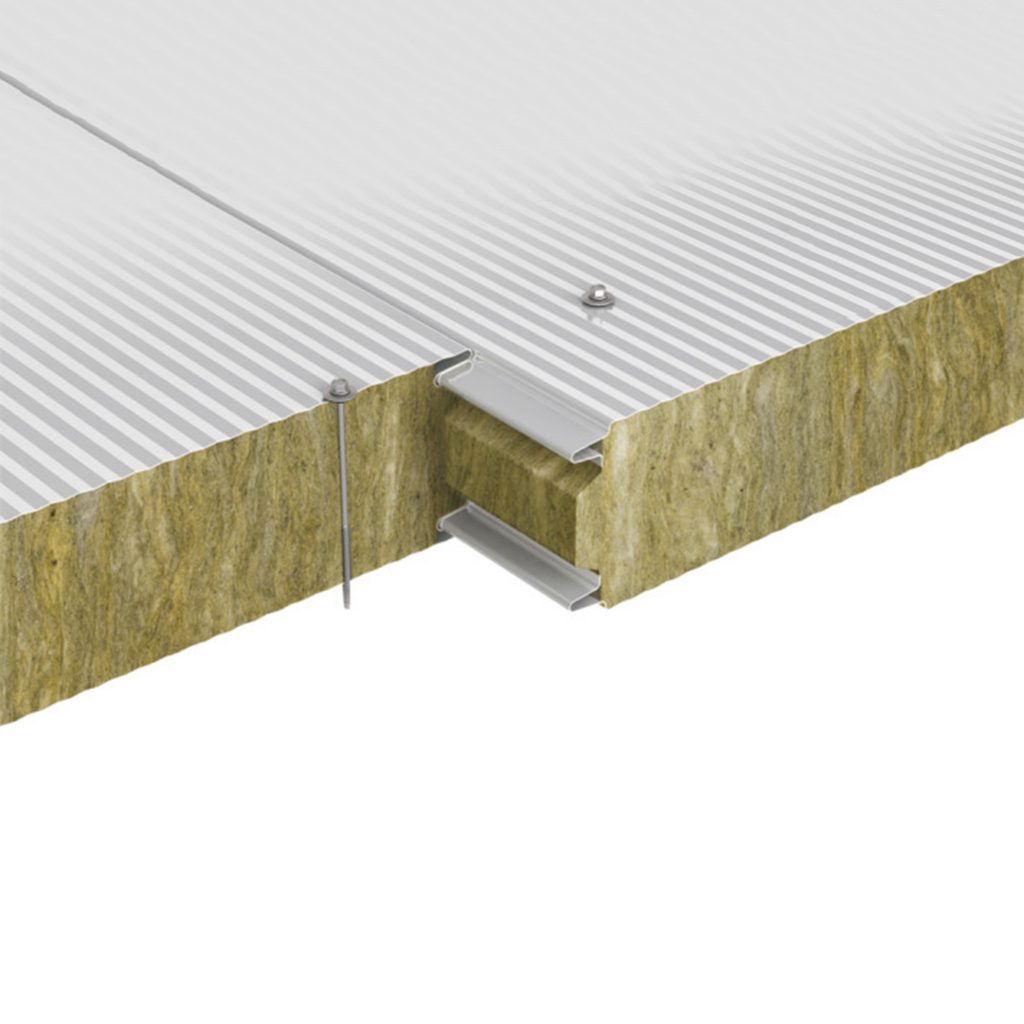
Sandwich panels are lightweight building materials made of two strong facings and an insulating core such as PIR, EPS, or mineral wool. With steel, aluminum, or composite facings, insulated sandwich panels stay durable, energy-efficient, and perfect for walls, roofs, and facades.
Key Benefits of Sandwich Panels
Sandwich panels bring many clear benefits:
- Thermal insulation and airtightness keep heat inside during winter and outside during summer.
- Quick installation and modular assembly save time and reduce labor.
- Durability and low maintenance mean fewer repairs over time.
- Lightweight but strong structure makes transport and handling simple.
- Versatility allows use in homes, schools, warehouses, and factories.
Energy Efficiency Advantages
Sandwich panels are known for thermal efficiency in buildings
- Their R-value and U-value show high insulation levels.
- They cut thermal bridging, so heat does not escape.
- They create an airtight building envelope, reducing energy loss.
- Their design fits well with passive house insulation and smart building technologies.
- As a result, heating and cooling needs drop, and energy bills stay low.
Fast Construction & Installation
Prefabricated wall panels and modular building panels arrive ready to use, reducing on-site work. Builders need less labor, assembly is quick, and projects finish faster, which saves money. Because lightweight sandwich panels are easy to transport and handle, they are ideal for modern construction techniques.
Durability, Maintenance & Longevity
Insulated sandwich panels last for decades with minimal upkeep. They resist weather, moisture, and corrosion, while fire-resistant building panels improve safety. With strong facings and durable cores, these high-performance building systems deliver a faster return on investment.
Sandwich Panels in Sustainable Architecture
Sandwich panel technology supports green building materials and helps achieve net-zero energy buildings and LEED-certified construction. Panels integrate easily with renewable energy in buildings such as solar systems, reduce embodied carbon, and improve eco-friendly insulation in sustainable construction projects.
Comparison: Sandwich Panels vs. Traditional Construction
When compared with bricks and concrete, structural insulated panels (SIPs) save both time and money. They offer superior thermal efficiency in buildings, better airtightness, and greater flexibility for energy-efficient modular homes. Over time, they lower lifecycle costs by reducing energy use and repair needs.
Choosing the Right Sandwich Panel System
The right insulated panel system depends on climate and project goals. Cores such as PUF sandwich panels, PIR insulated panels, or EPS panels for construction provide different thermal and fire performance. Finishes like steel or aluminum improve durability and design. Always choose trusted suppliers that guarantee quality and proven modern construction techniques.
Applications and Case Examples
Sandwich panels are used in many projects: residential buildings, energy-efficient modular homes, commercial facades, warehouses and cold storage. They also support retrofit projects by upgrading older buildings with eco-friendly construction materials and advanced building insulation.
Long-Term Benefits: Savings and Sustainability
Over time, insulated sandwich panels reduce energy bills, lower carbon emissions, and support sustainable construction solutions. Their long life and low maintenance costs make them a smart investment in eco-friendly building technologies, helping both owners and the planet.
FAQs:
- Are sandwich panels suitable for extreme climates?
Yes, with the right core material, they perform in hot or cold areas. - How do I assess thermal performance?
Check the R-value and U-value from the supplier. - Can panels be disassembled or recycled?
Yes, many lightweight modular panels can be reused. - What are the main risks?
Moisture, fire, and transport issues may occur, but proper design and handling solve them.
Conclusion
Sandwich panels give builders and owners a clear path to energy-efficient building solutions. They bring high thermal performance, fast installation, strength, and long life. For anyone planning a new home, factory, or office, sandwich panel technology is a smart, sustainable choice.