Shop All
  Super Deals
  New
New Hot Tub as Part of a Business Model in the Accommodation Sector – How a Wellness Solution Helps Increase Revenue and Occupancy
The accommodation market has changed: customers are looking for an experience, not just an overnight stay
In recent years, the accommodation sector has undergone a clear shift. While location or price used to be the main competitive advantage, today the customer’s decision is increasingly influenced by the overall experience. People are looking for accommodation that offers emotion, privacy, and an opportunity to disconnect from everyday life.
This trend is especially visible in:
- glamping,
- holiday homes,
- nature tourism,
- spa and wellness accommodation.
In this context, a hot tub is no longer just an extra comfort or decorative feature. A well-planned wellness solution has become a strategic business tool that directly affects:
- the price level of the accommodation unit,
- occupancy,
- seasonality,
- customer experience,
- and competitiveness.
Accommodation providers that are able to offer a complete experience now have a clear advantage in the market.
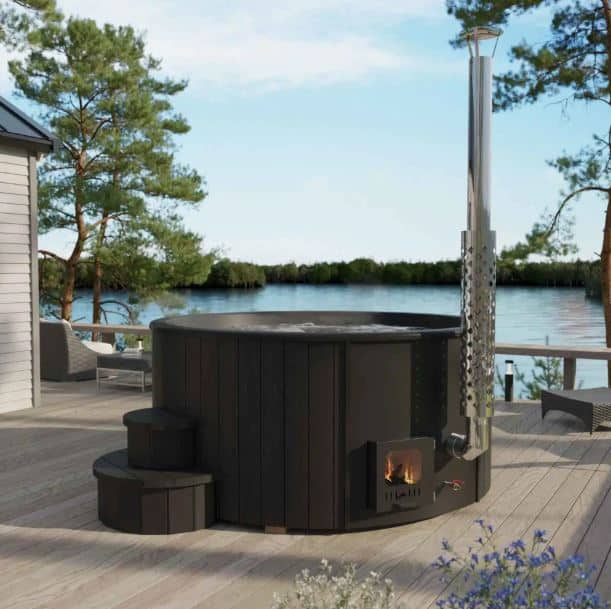
Why does a hot tub influence the customer’s purchasing decision?
The choice of accommodation is no longer based only on price or practical features. Increasingly, what matters is the feeling a particular place creates in the customer and how they imagine spending time there.
Evening lighting, a steaming hot tub in a beautiful natural setting, and winter contrasts between warm water and cold air work especially well, creating a complete private spa experience. The emotion is created even before arrival and often influences the booking decision more than the technical features or square metres of the accommodation unit.
In practice, this means that accommodation with a hot tub stands out more clearly from competitors, customers are willing to pay a higher price, and the booking decision is made faster.
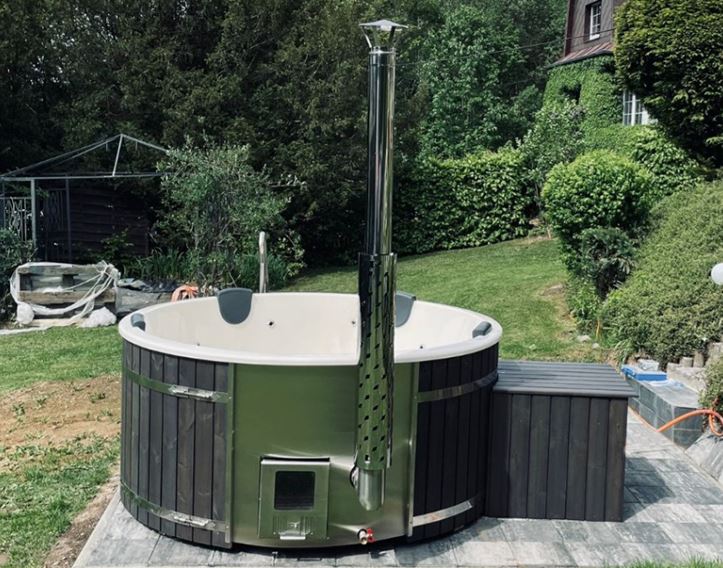
A hot tub helps increase the price of an accommodation unit
One of the most important arguments for an accommodation provider is the opportunity to increase the average nightly rate.
Accommodation units with wellness solutions can generally charge a higher price than similar properties without added value. The reason is simple: customers perceive spa elements as luxury and are willing to pay more for the experience.
This works especially well for romantic stays, premium holiday homes, glamping sites, sauna houses, and small hotels. Often, a hot tub does not only sell the product itself, but a complete atmosphere associated with slowing down, privacy, quality time, and a sense of wellbeing.
This creates emotional value for the customer and allows the business to move from price-based competition toward a value-based business model.
Increasing occupancy and reducing seasonality
One of the biggest challenges for accommodation providers is seasonality. Demand is high in summer, but occupancy can drop significantly during the autumn and winter months.
A hot tub helps reduce this problem.
In the Nordic countries, the colder season is often one of the strongest wellness seasons. People seek relaxation in the middle of nature.
This means that accommodation with a hot tub remains attractive outside the traditional high season as well. While demand usually drops noticeably during autumn and winter, accommodation units with wellness solutions can maintain more stable occupancy and a more even cash flow throughout the year.
In addition, the need for major discounts and aggressive campaigns is reduced, because for the customer, this is an experience whose value does not depend only on the weather or season. This is why many glamping sites, holiday homes, and nature accommodations use the hot tub as one of their main winter selling points.
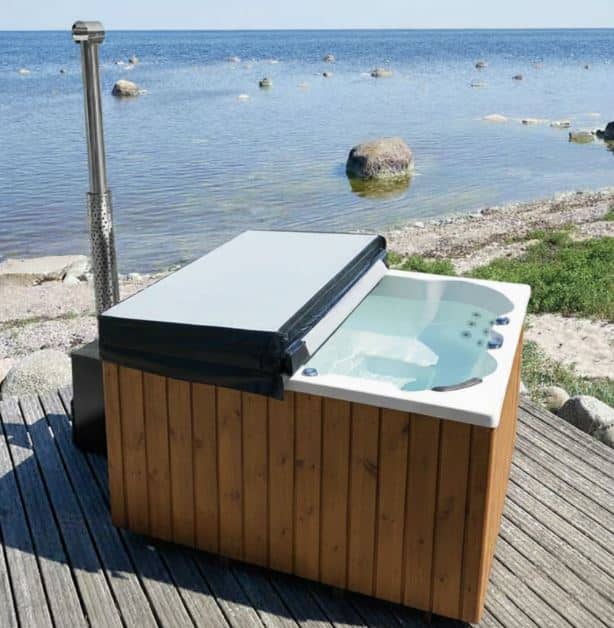
A hot tub as an investment, not an expense
From the perspective of an accommodation business, the most important question is return on investment.
In the case of a hot tub, it is not enough to evaluate only the purchase price. Its impact on the entire business model should also be considered:
- higher nightly rate,
- better occupancy,
- more returning customers,
- higher average order value.
- A high-quality wellness solution often pays for itself significantly faster than traditional interior investments.
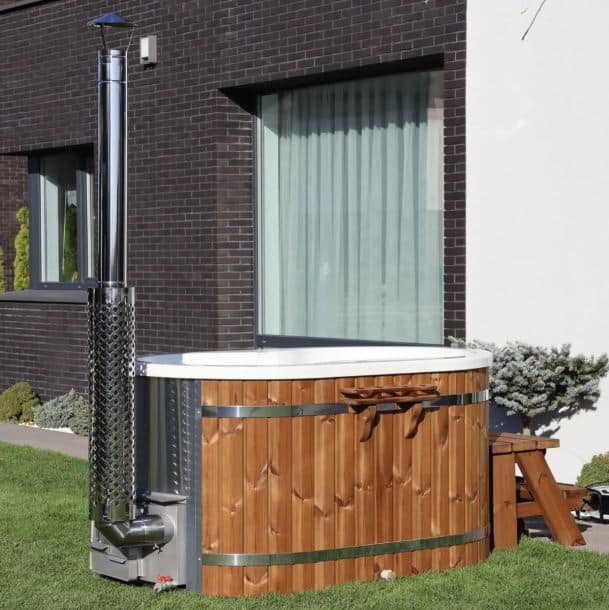
Estonian market trends support the growth of wellness accommodation
In Estonia, the growth of the experience economy and wellness accommodation is also clearly visible. Nature accommodations, glamping sites, and smaller premium-class holiday properties are becoming increasingly popular, as customers are looking more and more for private experiences, closeness to nature, silence, and high-quality wellness solutions.
The glamping sector, tiny house rentals, forest accommodations, and holiday homes with spa experiences have grown especially quickly. This shows that a hot tub is no longer a niche product, but an important part of a modern and competitive accommodation concept.
How to successfully integrate a hot tub into a business model
A hot tub is not a standalone product, but an important part of the overall customer experience. Its location, ease of use, visual appearance, lighting, maintenance, and year-round user experience all need to be carefully considered.
The wellness solution should also support the brand’s overall positioning, whether it is a romantic nature stay, a luxurious forest cabin, premium glamping, or a recreation area aimed at companies.
The more complete the concept, the stronger its impact on sales and customer experience. As the accommodation sector moves increasingly toward the experience economy, wellness solutions play a central role in this development. Companies that are able to offer an emotional and complete accommodation experience gain a clear competitive advantage in the market.
Would you like to find the right hot tub solution for your accommodation business?
The right solution helps increase the value of your accommodation unit, improve occupancy, and create an experience that makes customers want to return.
Contact us and we will find the right solution for your project: order@factory.sale
Sources and references
The article was prepared using market overviews from the accommodation and wellness sectors:
- Visit Estonia
- GlampLife
- GlampLaunch UK Glamping Market Outlook
- Luso Spas Commercial Hot Tubs Article